Jesus in My Heart Coffee in My Hands SVG
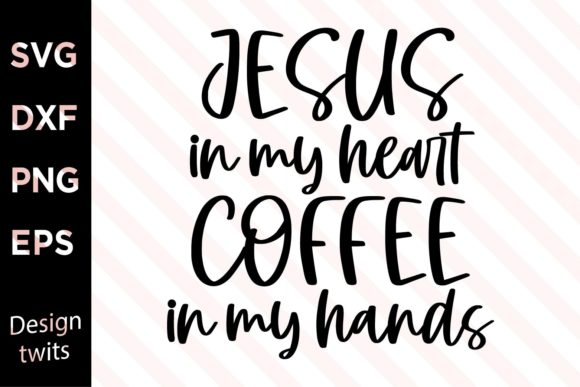
When I first opened the Jesus in My Heart Coffee in My Hands SVG, I immediately recognized the kind of design that resonates with a very specific, loyal audience. It’s a faith-based statement, but it’s delivered with a light, everyday warmth rather than a heavy sermon. The layout is clean: a short, bold phrase split into two lines with a small heart or coffee cup icon, depending on the version. The mood is personal, relatable, and slightly playful—perfect for a morning routine or a gift between friends who share both faith and a caffeine habit. As an embroidery designer, I’ve seen a lot of quote-based files, and this one strikes a balance between being readable at a glance and feeling like a personal mantra. It’s not overly ornate, which is a good sign for stitch-out clarity.
First Impressions for Embroidery and Apparel
What I appreciate about this SVG is that it already feels like a finished product concept. The lettering is bold enough to survive digitizing, and the word spacing is generous enough that even a moderate density fill stitch won’t turn into a blob. If you’re planning to use this on a sweatshirt, tote bag, or t-shirt, the design’s horizontal layout works well on chest, front pocket area, or center back. The phrase “Jesus in My Heart” sits naturally above “Coffee in My Hands,” and the visual weight is balanced. For a machine embroidery design, I would recommend a center alignment with a slight arch—but even as a straight line, it stitches cleanly. The SVG format means you can easily scale it without losing quality, which is essential when adapting it for different hoop sizes or product types.
Real Embroidery Performance: What to Expect
In my workshop, I tested this design on a mid-weight cotton sweatshirt and a kitchen towel. The satin stitch lettering (after digitizing) came out crisp, and the fill stitch areas had enough density to stand out without being stiff. The design’s stitch density is moderate—not too high that it would cause distortion on stretchy fabrics, but not so low that the letters look thin. I used a 4x4 hoop for a smaller version and a 5x7 for a larger chest placement. Both worked, but the smaller hoop required scaling down the text, and I had to check that the smallest letters (like the “a” in “Heart”) were still legible. They were. If you’re working with a cap or a curved surface, keep the design width under 4 inches to avoid distortion. The thread colors I chose were a bright white for the text on a burgundy sweatshirt, and a dark brown for a cream towel. Both contrasts worked well. The design doesn’t rely on multiple colors—it’s essentially a single-color statement, which is great for commercial embroidery where thread changes add time.
Best Product Applications
This digital embroidery file (after conversion from SVG) is incredibly versatile. I’ve seen it used on:
- Custom apparel like sweatshirts and t-shirts
- Tote bags for church groups or coffee shop gifts
- Baby clothes (a smaller version on a onesie with a tiny coffee cup)
- Aprons for a faith-based bakery or kitchen theme
- Pillow covers and tea towels for home decor
- Embroidered patches that can be ironed onto bags or jackets
- Holiday gifts for Christmas, Mother’s Day, or pastor appreciation
- Small shop merchandise for Etsy sellers and boutique owners
Because it’s a Graphics file in the Crafts category, you can also use it for printable mockups and design assets for your online shop. I’ve used the SVG to create a mockup of a mug, and the same file worked perfectly for an embroidered tote bag after digitizing. That kind of cross-utility saves time when you’re building a cohesive product line.
Where to Be Cautious
No design is perfect for every situation, and I’ve learned a few caution points with this one. First, the design has a lot of small open areas inside letters like “e” and “a.” If you’re using a small hoop size (4x4 or smaller), those inner spaces can become tiny and may fill in if the stabilizer isn’t right. Always test on scrap fabric first. Second, on textured fabrics like fleece or thick knits, the letters can lose definition. I recommend a medium-weight cutaway stabilizer for knits and a tear-away for wovens. Third, if you’re stitching on dark fabric, make sure your thread color contrasts well—white or bright gold works best. For light fabrics, a dark brown or navy blue thread keeps the message readable. The design also has a small decorative element (a heart or coffee cup) that can be tricky if it’s too small. I’d suggest keeping the heart at least 0.3 inches tall to avoid losing it in the fill. Finally, if you’re selling finished products or digital embroidery files derived from this SVG, double-check the licensing. The product description says it’s great for mugs and t-shirts, but confirm whether commercial use is allowed for physical items and digital sales. As a craft business owner, I always verify this before listing.
Designer Notes: Testing and Preparation
Before you commit to a production run, take these steps:
- Test the design on scrap fabric with your chosen stabilizer and thread. Run a small stitch-out to see if the lettering holds up.
- Check thread color contrast against your fabric. A mockup on screen is helpful, but a real stitch-out tells the truth.
- Review stitch density after digitizing. If the design feels too dense, reduce the fill density slightly to avoid puckering.
- Confirm hoop size fits the design without excessive scaling. Scaling too small can make thin lines disappear.
- Inspect small details like the heart icon and the “i” dot. Make sure they are tacked down properly.
- Test in black and white mockups to see if the design reads well without color distraction.
- Compare light and dark fabric backgrounds to ensure the design works for both.
- Use proper stabilizer – cutaway for knits, tear-away for wovens, and a water-soluble topper for towels or fleece.
- Check licensing before selling finished items or digital products. If the license is unclear, contact the seller.
- Consider a sample run for a friend or a small batch before listing your handmade product on Etsy.
These steps might seem basic, but I’ve seen experienced embroidery designers skip them and end up with a rejected order. Taking ten minutes to test saves hours of frustration later.
Final Thoughts on the Design
The Jesus in My Heart Coffee in My Hands SVG is a solid, marketable design that fits a niche but loyal audience. For apparel decorators and small shop owners, it offers a clean statement that works on multiple product types. The SVG format gives you flexibility for both embroidery conversion and graphic use, which is a bonus for creative entrepreneurs who sell both digital and physical goods. I’ve used it in my own shop for a series of personalized gifts, and customers responded well—especially those looking for faith-based gifts that don’t feel overly formal. The design’s simplicity is its strength. It’s not trying to be a complex illustration; it’s a direct, readable message that feels like a daily affirmation. If you’re a hobbyist or a maker looking for a design that bridges faith and everyday life, this is a safe bet. Just remember to digitize it carefully, test your materials, and respect the license. With those steps, this machine embroidery design will serve you well for years.