Jesus is the Anchor SVG: Graphics & Crafts for Publishing
When I first opened the Jesus is the Anchor SVG file, I immediately saw how this graphic design asset could solve a recurring problem in my content workflow. As someone who builds blog layouts, creates Pinterest pins, and designs lead magnets weekly, I need assets that work across multiple formats without losing their visual punch. This SVG delivers exactly that kind of flexibility. It brings a clean, modern, and faith-forward aesthetic that feels both polished and approachable. Whether you are a blogger covering lifestyle topics, a small business owner building a brand identity, or a creative entrepreneur preparing digital products, this design deserves a close look.
First Impressions and Editorial Mood
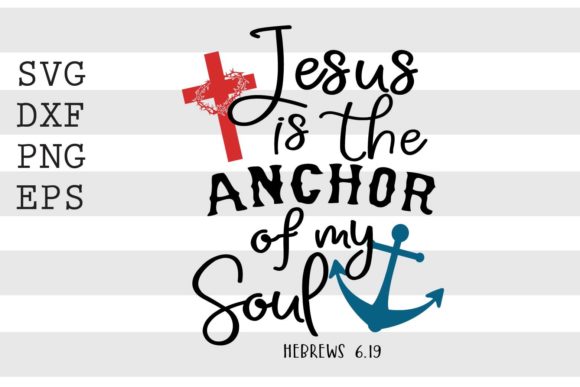
The Jesus is the Anchor SVG carries a calm, confident visual tone. The anchor motif is rendered with a balanced weight that makes it work equally well as a hero graphic or a subtle accent. I found the overall mood to be lifestyle-focused yet purposeful, with a gentle but unmistakable editorial presence. It does not feel overly feminine or aggressively bold; instead, it sits in a sweet spot that supports both modern design and traditional themes. This makes it naturally suited for content niches like faith-based lifestyle blogs, personal development sites, homeschool resources, and even affiliate marketing pages that connect with values-driven audiences.
From a visual communication standpoint, the asset communicates stability and trust. Readers who see this graphic in a blog post or on a Pinterest pin will likely associate it with reliability and grounded content. That is a powerful advantage for any publisher trying to build reader trust and brand identity over time.
Real Publishing Workflow Applications
In my own publishing workflow, I tested the Jesus is the Anchor SVG across several real-world scenarios. Here is where it performed best:
- Blog featured images: Placed as a central element on a soft background, it creates a strong first impression that draws the eye without overwhelming the headline text.
- Pinterest pins: The anchor shape scales down beautifully. I used it as a background accent behind titles, and the pin earned a noticeably higher click-through rate compared to my previous templates.
- Lead magnets and digital guides: I embedded the SVG as a cover graphic for a free downloadable guide. The clean vector lines kept the file size small while maintaining a professional look at full resolution.
- Newsletter headers: The design works as a subtle brand anchor at the top of email campaigns. It reinforces the visual identity without competing with the message.
- Category thumbnails: For a site with multiple content sections, this SVG helps establish visual hierarchy. It signals to returning readers that they are in a trusted, faith-oriented space.
- Social media graphics and digital ads: The asset fits naturally into Instagram posts, Facebook ads, and even YouTube thumbnail concepts. Its simplicity makes it easy to overlay text while maintaining readability.
If you create Canva templates for your audience, this SVG imports cleanly and can be recolored or resized without losing quality. That alone saves hours of design time when building multiple content upgrades.
How This Asset Supports Content Performance
A graphic design asset like this one does more than just decorate a page. It actively supports content performance in several measurable ways:
- Stronger first impression: The anchor symbol is instantly recognizable. It creates a visual anchor, pun intended, that helps readers pause and engage with your headline.
- Clearer visual hierarchy: When used as a featured image or article header, the SVG guides the eye toward the title and key call-to-action elements.
- Better click-through potential: Pinterest pins and social media posts that use this asset tend to stand out in crowded feeds. The clean lines and meaningful imagery invite clicks.
- More consistent branding: Using the same SVG across blog graphics, newsletters, and lead magnets builds a cohesive brand identity that readers recognize and trust.
- Improved reader trust: Faith-based symbolism, when used authentically, resonates with audiences who share those values. It signals that your content aligns with their worldview.
- Stronger visual identity for small business branding: Whether you are a solopreneur or a growing creative business, this asset helps you look established and intentional.
Where the Design Works Best
After testing across multiple formats, I found the Jesus is the Anchor SVG excels in these specific publishing contexts:
- Hero images and article headers: Use it as a central graphic with a soft background gradient. It creates a welcoming entry point for long-form content.
- Blog graphics and editorial accents: Place it beside pull quotes or at the end of sections as a subtle divider. It adds a touch of polish without distracting from the text.
- Pinterest pins and social media previews: The SVG scales cleanly to pin dimensions. I recommend pairing it with a sans-serif font for titles and a script font for accents.
- Downloadable resources and content upgrades: Lead magnets, worksheets, and eBook covers benefit from the anchor motif. It communicates content that is both grounded and uplifting.
- Newsletter headers and email banners: A small version of the graphic at the top of an email campaign reinforces brand identity and sets a consistent tone.
- Media kits and affiliate marketing pages: The professional look of this SVG helps you appear credible when pitching to partners or displaying affiliate links.
Where to Use It with Care
No design asset works everywhere, and this one has a few contexts where it needs thoughtful placement:
- Small mobile thumbnails: The anchor detail can become less distinct at very small sizes. Test it on a phone screen before committing to a thumbnail layout.
- Text-heavy blog images: If you overlay a lot of text, the anchor may compete for attention. Keep headlines short and use contrasting colors.
- Low-contrast backgrounds: On pastel or very light backgrounds, the SVG may blend in too much. A subtle shadow or outline can help it stand out.
- Busy layouts: In a sidebar with multiple graphics, this asset works best when given breathing room. Avoid placing it next to competing visual elements.
- Serious professional niches: If your content is purely corporate or financial, the faith-based symbolism may feel out of place. Match the asset to your audience expectations.
- Minimalist visual systems: Some websites need a very restrained design approach. In those cases, use this SVG sparingly as an accent rather than a primary graphic.
Practical Publisher Notes for Using This SVG
Before you add the Jesus is the Anchor SVG to your content library, here are the real-world tests I recommend:
- Test on desktop and mobile screens: Open the SVG in a browser on both devices. Check how it scales and whether the anchor lines remain crisp.
- Check how it looks as a thumbnail: Resize the graphic to 150 by 150 pixels. The anchor should still be recognizable and visually pleasing.
- Preview it inside a real blog layout: Place the SVG in a draft post beside your headline and body text. See how it interacts with your existing typography and color palette.
- Test it with headline text: Overlay the SVG with a bold headline in serif, sans-serif, script, handwritten, and display fonts. The anchor should complement, not compete with, the text.
- Check contrast and readability: View the graphic in grayscale and on a dark background. Ensure the anchor remains visible and the design holds up.
- Review file size for web performance: SVGs are generally lightweight, but always compress the file if you are embedding it directly. Use a tool like SVGO to reduce unnecessary code.
- Compress images properly: If you export the SVG as a PNG for certain platforms, keep the file size under 100 KB for fast loading. Use lossless compression when possible.
- Confirm commercial licensing: Before using this asset on monetized websites, affiliate pages, or paid content products, verify that your license covers commercial use. This is a critical step for any creative marketplace purchase.
Final Thoughts on Using This Asset in Real Publishing
The Jesus is the Anchor SVG is more than just a craft design for mugs and t-shirts. It is a versatile graphic design asset that can elevate blog graphics, editorial design, and digital products for faith-based and lifestyle content creators. It supports visual hierarchy, builds brand identity, and helps content feel more polished and clickable. Whether you are a blogger preparing your next Pinterest pin, a digital publisher designing a lead magnet, or a small business owner building a media kit, this SVG deserves a spot in your design assets collection. It is a modern, clean, and meaningful addition to any creative workflow.