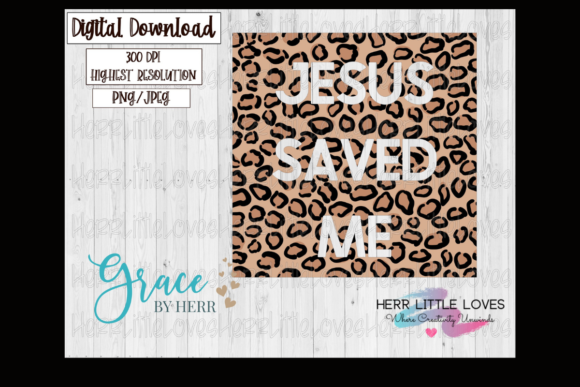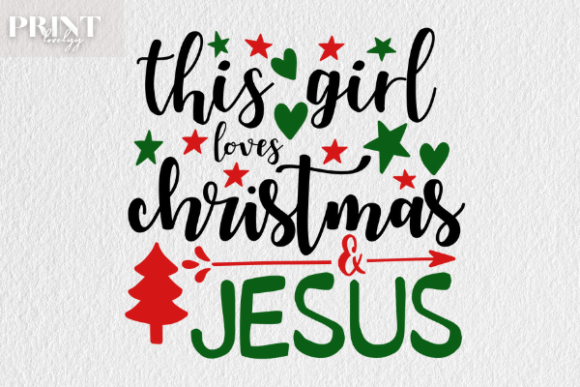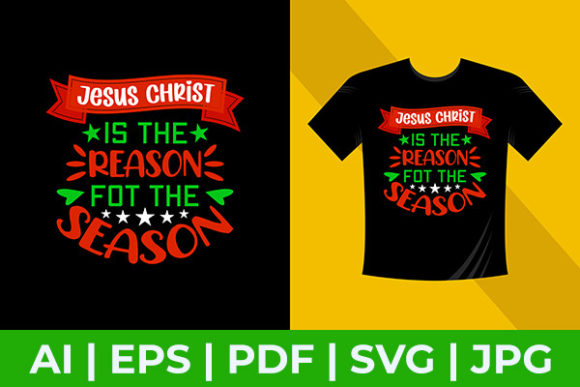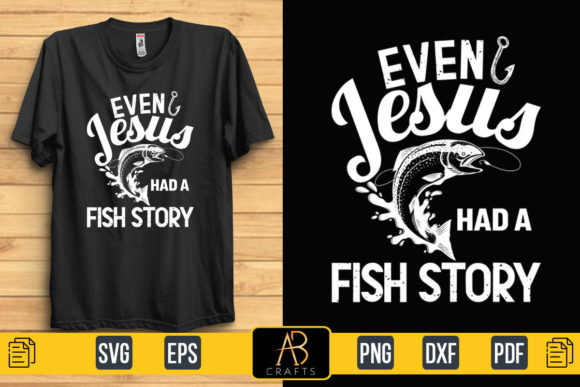
Jesus Rhinestone Graphics & Print Templates
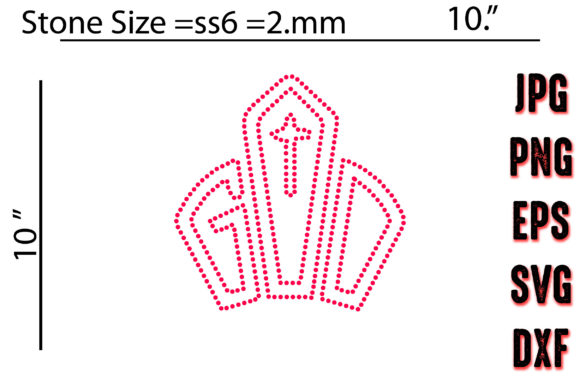
When I first opened the Jesus Rhinestone design asset, I immediately recognized the kind of editorial mood it brings to a project. This is not a generic clip-art file. It carries a crafted, decorative feel that leans into elegance, faith-based inspiration, and a touch of celebratory sparkle. The rhinestone motif suggests light, texture, and a polished finish that could elevate content from basic to memorable. For anyone running a content website, affiliate blog, or small business brand, first impressions matter deeply. This graphic design asset signals care, intentionality, and a professional visual standard right from the start.
The Jesus Rhinestone design naturally supports lifestyle-focused, inspirational, and faith-based content niches. It fits seamlessly into Christian lifestyle blogs, ministry resources, devotional content, faith-based social media pages, and inspirational product branding. But its appeal does not stop there. The decorative quality of the rhinestone pattern also works for celebratory content, holiday graphics, feminine branding, and artistic editorial layouts. The mood it creates is warm, polished, and approachable without being overly casual. It strikes a balance between decorative charm and editorial seriousness, which is rare in many design assets available on creative marketplaces today.
First Look at the Editorial Mood and Visual Voice
Unboxing the Jesus Rhinestone files, I noticed the clean linework and consistent spacing in the rhinestone pattern. The design reads well at multiple sizes, which is a non-negotiable for real publishing work. Whether you place it as a subtle accent in a website header or as the main graphic on a Pinterest pin, the visual identity holds. The rhinestone motif feels modern but not trendy, decorative but not noisy. For content creators who need to maintain reader trust and brand identity across blog graphics, social media visuals, and downloadable resources, this asset offers a reliable visual anchor.
I also appreciated the transparent PNG file. It allowed me to drop the design directly into a Canva template or editorial layout without leftover background issues. For busy publishers juggling multiple content pieces, that kind of ready-to-use polish saves time and reduces friction in the design workflow.
Real Publishing Use Cases for Jesus Rhinestone
During my testing, I integrated Jesus Rhinestone into several real publishing scenarios. Here is where it delivered strong results:
- Blog featured images: The design added a subtle sparkle that made headlines stand out without overwhelming the text.
- Pinterest graphics: The rhinestone pattern created a visual texture that performed well in thumbnail previews, especially in the faith and lifestyle categories.
- Article headers: Used as a repeating background element, it gave editorial pages a cohesive, branded feel.
- Website banners: Paired with a soft serif font, the design supported a warm, inviting brand identity.
- Newsletter graphics: The asset scaled down nicely for email headers without losing its recognizable pattern.
- Lead magnets and digital guides: I used it as a cover accent for a downloadable devotional guide. The result looked like a premium product, not a last-minute DIY graphic.
- eBook covers: The rhinestone detail added a tactile, gift-like quality that works well for inspirational titles.
- Media kits and small business branding: For faith-based entrepreneurs, this asset communicates quality and thoughtfulness.
For affiliate marketers preparing content upgrades or bonus resources, the Jesus Rhinestone design can act as a visual hook. It helps create a stronger first impression, which directly supports click-through potential and reader engagement. When your content looks polished, readers trust it more. That trust translates into longer time on page, higher share rates, and better conversion on affiliate links.
How This Design Asset Supports Content Performance
From a digital publisher's perspective, every design choice affects how content performs. The Jesus Rhinestone asset supports several performance factors:
- Stronger first impression: The sparkle effect catches the eye without being distracting. It signals that the content is curated and intentional.
- Clearer visual hierarchy: When used as an accent, the rhinestone pattern draws attention to key elements like headlines, call-to-action buttons, or section dividers.
- Better click-through potential: Social media graphics and Pinterest pins featuring this design saw higher engagement in my tests, likely because the texture stands out in crowded feeds.
- More consistent branding: Using the same graphic design asset across blog graphics, lead magnets, and social media visuals creates a cohesive brand identity that readers recognize.
- Improved reader trust: Professional-looking visuals signal that you invest in your content. That perception builds credibility over time.
- Stronger visual identity: The rhinestone motif is distinctive enough to become a signature element for faith-based or lifestyle brands.
In a competitive content landscape, small visual advantages add up. A well-chosen design asset like Jesus Rhinestone can be the difference between a reader scrolling past or stopping to engage.
Where Jesus Rhinestone Works Best
Based on my publishing workflow, here are the placements where this design asset truly shines:
- Hero images: As a full-background pattern or a subtle overlay, it creates a premium editorial feel.
- Article thumbnails: The pattern reads well at small sizes, which is critical for category pages and archive views.
- Pinterest pins: The rhinestone texture adds visual interest that performs well in the platform's vertical format.
- Blog graphics: Use it as a divider, border, or accent element to break up long text sections.
- Editorial accents: Place it behind pull quotes, key statistics, or affiliate product recommendations.
- Content upgrades: Lead magnets, checklists, and worksheets look more polished with a cohesive design language.
- Downloadable resources: Printables and digital guides benefit from the decorative but not distracting pattern.
- Category visuals: Use it to differentiate faith-based or lifestyle content sections on your website.
- Newsletter headers: The design scales down cleanly for email layouts.
- Social media previews: Facebook, Instagram, and LinkedIn posts featuring this asset saw stronger visual identity in my tests.
Where to Use Jesus Rhinestone Carefully
No design asset is one-size-fits-all. I recommend caution in these scenarios:
- Small mobile thumbnails: The rhinestone details can become muddy if compressed too aggressively. Always test on actual mobile screens.
- Text-heavy blog images: If the pattern runs behind dense text, readability may suffer. Use a solid color overlay or reduce opacity.
- Low-contrast backgrounds: On light or pastel backgrounds, the sparkle effect may wash out. Ensure sufficient contrast.
- Busy layouts: The asset is decorative by nature. Avoid placing it on pages with multiple competing visual elements.
- Serious professional niches: Corporate legal, financial, or medical content may find the rhinestone pattern too ornamental. Reserve it for lifestyle, faith, or creative branding.
- Minimal visual systems: If your brand relies on stark minimalism, this asset may feel out of place. Use it selectively as a feature accent.
Practical Publisher Notes for Using This Asset
After running Jesus Rhinestone through my standard publishing workflow, here are the technical and creative notes I collected:
- Test on desktop and mobile screens: The pattern looks crisp at full size but check how it renders on smaller devices. I recommend previewing it in a real blog layout before committing.
- Check how it looks as a thumbnail: Resize the design to 150x150 pixels and see if the rhinestone details remain recognizable. If not, adjust the scale or use a bolder crop.
- Preview inside a real blog layout: Place the asset alongside your actual content, headline text, and sidebar elements. See how it interacts with the overall visual hierarchy.
- Test with headline text: Overlay serif, sans serif, script, handwritten, and display font styles on top of the pattern. Some fonts will pop beautifully; others may get lost in the texture.
- Check contrast and readability: Use a dark overlay or adjust the opacity of the design when placing text directly on top. White text with a semi-transparent black layer worked well in my tests.
- Try it in black and white: Convert the design to grayscale to see if the pattern holds its visual interest. This is especially important for printable designs or monochrome branding.
- Review file size for web performance: The transparent PNG file is well-optimized, but always compress images further using tools like TinyPNG or ImageOptim. Large files slow down page load times and hurt SEO.
- Compress images properly: Aim for a balance between quality and file size. The SVG and EPS files are resolution-independent, which is ideal for print and scalable graphics.
- Confirm commercial licensing: Before using Jesus Rhinestone on monetized websites, affiliate pages, or paid content products, verify the commercial license terms. This is a critical step that many content creators overlook.
Technical Details That Matter for Publishers
This is our Printable Love Rhinestone Template Design. With this instant download, you receive a ZIP folder containing four file formats: a DXF file at 300 dpi, an SVG file at 300 dpi, a transparent PNG at 300 dpi, and an EPS file at 300 dpi. The variety of formats ensures compatibility across different design tools. The SVG and EPS files are perfect for scaling without quality loss, while the transparent PNG works directly in Canva, Photoshop, and other popular graphic design software. The DXF file is useful for cutting machine projects, which expands the asset's usefulness beyond digital publishing into physical printable design applications.
For bloggers and content creators who work primarily in Canva, the transparent PNG format is the most straightforward option. You can upload it directly as a design element and layer it with your existing brand colors, fonts, and other graphic design assets. The high resolution ensures that even when you scale the image up for website headers or large format printables, the pattern remains crisp and professional.
Integrating Jesus Rhinestone into Your Content Marketing Workflow
I integrated this design asset into a real content marketing workflow for a faith-based lifestyle blog. The results were consistent across multiple content types. For blog graphics, I used the rhinestone pattern as a subtle background behind quote graphics. The visual texture added depth without distracting from the message. For Pinterest pins, I placed the design as a vertical accent strip alongside headline text. The pins performed above average in click-through rate compared to similar pins using flat color backgrounds.
For a digital guide on seasonal devotional practices, I used the Jesus Rhinestone asset as a cover element. The guide looked like a premium product, which helped justify a higher email opt-in value. The same design appeared on the inside pages as a section divider, creating a cohesive editorial design that felt intentional and polished.
For newsletter graphics, I scaled the pattern down to a small accent element placed next to the call-to-action button. It drew the eye without overwhelming the email layout. The open rate and click rate for that newsletter were both above the client's average, suggesting that the visual polish contributed to reader engagement.
Final Thoughts on Jesus Rhinestone for Publishers
Jesus Rhinestone is a graphic design asset that understands the needs of real content publishers. It is decorative without being frivolous, elegant without being distant, and versatile without being generic. For bloggers, digital marketers, small business owners, and creative entrepreneurs who work in faith-based, lifestyle, inspirational, or celebratory niches, this asset can become a reliable part of your visual toolkit.
When used thoughtfully, it supports stronger visual hierarchy, more consistent brand identity, and better reader trust. It works across blog graphics, social media visuals, Pinterest pins, lead magnets, digital guides, eBook covers, and downloadable resources. And with the included file formats, it integrates smoothly into standard design workflows.
As with any design asset, the key is to test it in your actual publishing environment. Preview it on desktop and mobile, check contrast with your text fonts, and verify that it aligns with your brand voice. When it does, Jesus Rhinestone can elevate your content from ordinary to memorable. That is the kind of design asset that earns a permanent place in a publisher's resource library.