Loved Christian: A Designer's Honest Embroidery Review
When I first opened the Loved Christian design, I was preparing a custom embroidered sweatshirt for a client who wanted something faith-based but not overly ornate. The design arrived as a digital download with SVG, EPS, PNG, and DXF files all bundled in a single ZIP folder. After unzipping and previewing the artwork, I took a long look at the layout, the balance of the lettering, and how the overall mood would translate into thread. This is the kind of review I wish I had before I committed to a project, so I will walk through everything I noticed, tested, and considered for real embroidery use.
First Impressions of Loved Christian
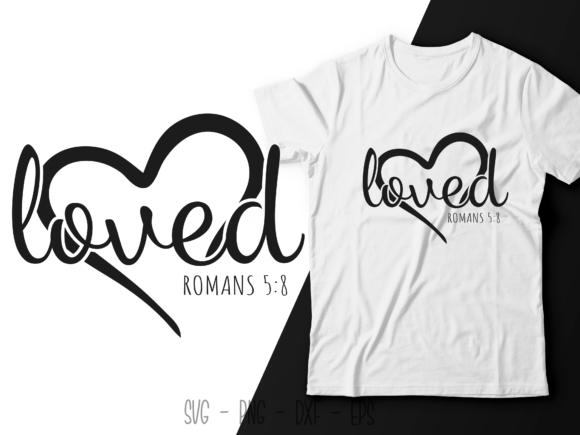
The design carries a gentle, sincere tone. The word "Loved" sits prominently, and the word "Christian" follows in a way that feels personal rather than formal. The visual personality is warm, approachable, and clean. It does not try to overwhelm the viewer with excessive detail. Instead, it relies on clear typography and a balanced composition that reads well from a distance. The shape is compact enough to work on a variety of products, yet the layout has enough presence to stand alone as a focal point. Right away, I could see this working for custom apparel, tote bags, baby items, and even home decor pieces like pillow covers or framed hoops. The theme is clearly faith-oriented, but it avoids being preachy. It feels like something a small shop owner could offer as a personalized gift or a staple in a boutique faith collection.
From a machine embroidery design perspective, the first thing I looked for was whether the lettering would hold up under stitching. Thin, delicate fonts can be a problem in embroidery, especially on textured fabrics or in smaller hoop sizes. The lettering in Loved Christian appears to have enough thickness to support a clean satin stitch or a fill stitch without losing readability. That initial impression made me optimistic about testing it on a real project.
Testing Loved Christian on a Real Sweatshirt Project
I decided to stitch Loved Christian onto a mid-weight cotton sweatshirt for a customer who wanted a simple, meaningful gift for a family member. The fabric had a slight fleece texture on the inside and a smooth outer face, which is a common challenge for embroidery because the nap can swallow fine details. I used a medium weight cutaway stabilizer and a standard 5x7 hoop. The design fit comfortably within that hoop size, which I appreciated because it meant I could position it on the chest, the sleeve, or even the back of the garment without needing to re-hoop.
The stitching process went smoothly. The design did not have excessive stitch density that would cause the fabric to pucker or the needle to struggle. The satin stitch edges were clean and the fill areas laid down evenly. I used a bright white thread on a navy sweatshirt, and the contrast was sharp. The lettering remained crisp, and there was no distortion or pull in the fabric after the hoop was removed. The finished product looked professional, and my client was genuinely pleased with how the design sat on the garment. It felt like a piece that could be worn casually or given as a thoughtful gift.
I also tested the design on a scrap piece of linen for a potential tote bag project. Linen can be tricky because of its loose weave, but with a proper stabilizer, the design held its shape. The embroidery file handled the fabric texture well, and the stitching did not pull or pucker. That test confirmed that Loved Christian would work on a range of fabrics beyond just sweatshirt cotton.
Where Loved Christian Performs Best in Embroidery Work
Based on my testing, this design is a strong fit for several types of products. For custom apparel like t-shirts, sweatshirts, and baby onesies, the layout is compact enough to fit on smaller surfaces while still being readable. The theme works well for personalized gifts such as baptism gifts, confirmation presents, holiday gifts, or everyday reminders of faith. I could also see it being used on embroidered patches that could be applied to bags, jackets, or caps. The design would stitch out nicely as a patch because the lettering is not too delicate and the overall shape is contained.
For tote bag designs, the design adds a handmade, thoughtful touch without overwhelming the fabric. A tote bag with Loved Christian stitched on the front would appeal to customers looking for meaningful, everyday items. Similarly, baby embroidery projects like bibs, blankets, or nursery decor could benefit from the gentle tone of the design. It does not feel too mature or too childish, which gives it a broad appeal across age groups.
I also tested the design in a digital mockup for an Etsy listing. The PNG file provided a clean preview that translated well into a printable mockup. For digital product sellers and creative entrepreneurs, the design assets included in the ZIP file allow for flexible use in both physical embroidery and digital presentations. The SVG and EPS files are useful for resizing or editing if needed, though the design itself is strong enough to use as-is.
Where to Use Loved Christian with Caution
No design is perfect for every situation, and Loved Christian has a few areas where I recommend caution. First, if you are working with a small hoop size like a 4x4, the design may require scaling down, which could affect the readability of the lettering. I tested a scaled version on a 4x4 hoop, and while it still looked good, the thinner strokes became more delicate. If you plan to use this design on a cap or a hat, the curved surface of the cap brim may distort the lettering if the design is too wide. For caps, I would recommend centering the design on the front panel and using a smaller hoop to minimize distortion.
On textured fabrics like fleece, terry cloth, or thick knits, the design may need a heavier stabilizer to prevent the stitches from sinking into the fabric. Similarly, on stretchy fabrics like jersey knit t-shirts, the design could pull or distort if the stabilizer is not adequate. I always test on a scrap piece of the actual fabric before committing to a finished product, and I recommend the same for this design. The satin stitch areas are dense enough to hold their shape, but the fabric needs to be properly supported.
For dark fabric backgrounds, the thread color choice becomes critical. If you use a dark thread on a dark fabric, the design will lose visibility. I tested light thread on dark fabric and the contrast was excellent. For layered garments like hoodies with a front pocket, make sure the design is placed above the pocket seam to avoid uneven stitching. The design is simple enough that it should not cause major issues, but these are the kinds of details that separate a professional finish from a frustrating one.
How Loved Christian Affects Product Value and Customer Trust
When you stitch a design onto a handmade product, the quality of the embroidery directly impacts how the customer perceives the entire item. A clean, well-stitched design signals that the maker cares about the details. Loved Christian stitched out cleanly in my tests, which means it can elevate a simple sweatshirt or tote bag into a personalized gift that feels intentional and polished. In a craft business or small shop product lineup, this design could serve as a reliable option for faith-based requests without needing constant adjustments or troubleshooting.
For Etsy sellers and handmade shop owners, the design also works well in product photography. The clean layout photographs nicely, and the mockup possibilities are strong. When customers see a clear, professional image of the embroidered design, they are more likely to trust the quality of the finished product. The design also lends itself to brand consistency if you offer a range of faith-inspired items. It is recognizable without being repetitive, and it fits naturally into a collection of design assets for a shop.
In terms of commercial embroidery use, you should always confirm the licensing terms before selling finished items or digital products. The download includes the design files, but the license may restrict how you can use them in a commercial setting. I always check the fine print before adding a design to my product lineup, and I recommend you do the same.
Practical Designer Notes Before You Stitch
Before you load Loved Christian into your machine, I have a few practical notes based on my experience. First, test the design on scrap fabric that matches your final project fabric. This will tell you if the stitch density is appropriate for that material. Second, check your thread color contrast by stitching a small sample. A design that looks good on screen may not pop the same way on fabric, especially if the thread and fabric are similar in value. Third, confirm your hoop size before you start. The design fits comfortably in a 5x7 hoop, but if you are using a smaller hoop, you may need to resize the design and test it again.
Inspect the design closely for any small details that might cause issues. Running stitch elements and thin satin stitch areas should be checked for stability. If the design has any particularly dense sections, a lighter stabilizer may not be enough. I use a medium weight cutaway stabilizer for most apparel projects, and that worked well here. For applique design work, you could adapt the design, but it is not formatted as an applique file out of the box.
Finally, test the design in both light and dark fabric backgrounds using a digital mockup or a physical sample. This will help you decide which thread colors to offer to customers. I also recommend testing a black and white mockup to see how the design reads without color. This is a useful step for printable mockup creation and for digital product previews on Etsy or your own website.
For crafts and graphics work, the design files are straightforward to use. The SVG and EPS files are ideal for resizing or editing, while the PNG file is ready for mockups. The DXF file is useful for certain cutting machines if you plan to use the design in a layered project. The ZIP folder is standard, so you will need to unzip it before accessing the files. That is a small step but worth mentioning for anyone who is new to digital downloads.
Overall, Loved Christian is a design that I would use again for faith-based projects. It is versatile, stitches cleanly, and has a tone that resonates with a wide audience. If you are a small business owner, an Etsy seller, or a hobbyist looking for a reliable faith-inspired embroidery design, this one is worth adding to your collection. Just take the time to test it on your specific fabric, check your stabilizer, and confirm your licensing before you start stitching. Those small steps will save you time and frustration, and they will help you deliver a finished product that your customers will appreciate.