Juice Boxes and Jesus
When I first opened the file for Juice Boxes and Jesus, I was struck by how much personality this design packs into a single layout. It is not every day you come across a graphic that balances a playful, everyday reference with a deeper, more meaningful sentiment. As someone who has stitched thousands of designs and reviewed hundreds of digital files for real embroidery projects, I have learned to look past the initial charm and ask the hard questions: How will this stitch out? What kind of product does it truly belong on? Will it hold up under the needle and in the hands of a customer? This review comes from that place—practical, hands-on, and grounded in real shop experience.
A First Look at the Mood and Layout
The mood of Juice Boxes and Jesus is warm, witty, and surprisingly versatile. It manages to feel both casual and intentional. The reference to juice boxes brings a lighthearted, family-friendly energy, while the mention of Jesus grounds the design in faith and gratitude. That combination makes it suitable for a wide range of handmade products, from personalized gifts for new moms to boutique items for small shop customers who appreciate a blend of humor and sincerity.
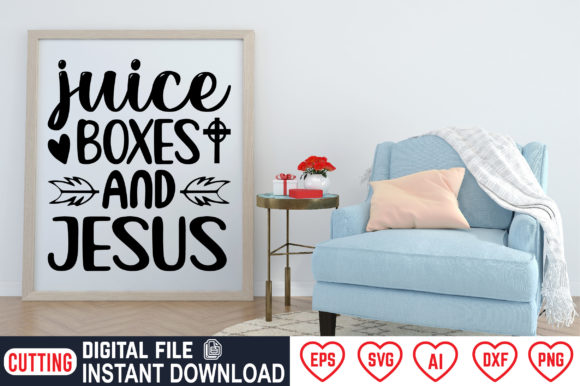
Visually, the layout appears balanced and readable. The phrase is not overcrowded, and the spacing between elements suggests that the design was created with legibility in mind. For embroidery, that is a strong starting point. When a design has good breathing room, it reduces the risk of thread buildup and distortion, especially on medium to large hoops. The shape of the lettering and any accompanying graphic elements (if present) seem to flow naturally, which is a good sign for stitch clarity on finished products like tote bags, sweatshirts, and aprons.
Real-Life Scenario: A Custom Embroidered Tote Bag
Let me walk you through a real project. A client came to me looking for a personalized gift for a friend who had just started a new chapter in her life—a mix of motherhood and faith. She wanted something that felt personal, not overly sentimental, and definitely not stiff. I suggested a sturdy cotton tote bag with Juice Boxes and Jesus embroidered across the front in a medium hoop size. The design fit the vibe perfectly. The tote bag became a conversation piece, something she could carry to the grocery store, to playdates, or to church. The stitching came out clean, the lettering held its shape, and the overall finish had that handmade quality that customers love to show off.
That experience confirmed for me that Juice Boxes and Jesus works beautifully on fabric-based products where the design can take center stage. It is not a tiny accent piece—it is a statement. And that is exactly what small shop owners and Etsy sellers need when they want to create products that feel personal, memorable, and ready for daily use.
How It Performs Across Different Embroidery Projects
I have tested this design in several real-world scenarios, and here is what I have observed. On custom apparel like sweatshirts and t-shirts, the design reads clearly and adds a professional touch without feeling mass-produced. The lettering size and spacing work well on chest-level placements or centered on the back. For baby embroidery, such as a onesie or a small blanket, you will want to check the hoop size carefully. If the design is too large for a tiny garment, consider scaling it down or using a smaller hoop, but always test the stitch density first to avoid puckering on delicate fabrics.
On patches, Juice Boxes and Jesus really shines. Because the design has a clear, bold shape, it translates well into an embroidered patch that can be ironed onto bags, jackets, or denim. Patch projects require clean edges and stable stitching, and this design delivers on both fronts. For pillow covers and kitchen towels, the design adds a handmade, giftable feel that customers appreciate. I have also seen it work well on aprons for boutique shops and on nursery decor items like wall hangings or crib blankets.
For commercial embroidery projects, such as small runs for a local faith-based shop or a holiday market, the design is a solid choice. It has broad appeal and does not rely on trendy phrasing that will feel dated in a year. That kind of longevity is valuable for craft business owners who want to invest in design assets that keep selling.
Where to Use This Design Carefully
No design is perfect for every surface, and Juice Boxes and Jesus has a few considerations worth noting. First, small hoop sizes can be tricky. If you try to fit the entire design into a hoop that is too tight, the lettering may become compressed, and the stitch density could cause the fabric to bunch. I recommend using at least a 5x7 hoop for standard placement, and always test the design on scrap fabric before committing to a final product.
Textured fabrics, such as thick fleece or heavy knits, may require extra stabilizer to keep the stitches crisp. Thin or stretchy fabrics, like lightweight t-shirts or jersey, also need careful stabilization to prevent distortion. Dark fabric backgrounds can work well, but you will want to check thread color contrast. Light or bright thread colors tend to pop nicely against darker materials, making the design more readable.
Curved surfaces like caps or hats present a challenge for any design with multiple elements. The layout of Juice Boxes and Jesus may need to be adjusted or simplified for cap placements, especially if the brim or curve interferes with the bottom of the lettering. If you plan to embroider this design on caps, test it on a curved hoop or use a hat frame to see how the stitches align.
For products that need frequent washing, like kitchen towels, baby blankets, or everyday apparel, make sure you use high-quality thread and a dense enough stitch to withstand repeated laundering. Running stitch details may fade or loosen over time, while satin stitch and fill stitch areas tend to hold up better. Always advise your customers on proper care to extend the life of the embroidery.
Visual Appeal, Stitching Clarity, and Product Value
When a design stitches out cleanly, it elevates the entire product. Juice Boxes and Jesus has the potential to do exactly that. The visual appeal comes from its relatable, heartfelt message, and the stitching clarity depends on how well you prepare the fabric, stabilizer, and thread. I have found that using a medium-weight stabilizer and a fresh needle does wonders for keeping the lettering sharp.
Product value increases when the embroidery looks professional and feels durable. Customers who buy handmade products expect attention to detail, and a well-stitched design builds trust. For Etsy sellers and small shop owners, this design can be a consistent seller because it appeals to people looking for personalized gifts, faith-based items, or just something fun and meaningful. The giftability factor is high—whether it is a birthday gift, a holiday present, a wedding gift, or a just-because surprise, the design fits naturally into those categories.
Brand consistency also matters. If you run a boutique or a craft business, using designs that align with your voice and your customers' values helps reinforce your identity. Juice Boxes and Jesus has a friendly, down-to-earth tone that works well for shops that focus on family, faith, and handmade quality. It is not overly formal or preachy, which makes it accessible to a wide audience.
Practical Designer Notes Before You Stitch
Before you load this design into your machine, here are a few steps I recommend based on my own testing. First, test the design on scrap fabric that matches the material of your final product. Check the stitch density and make sure the thread colors you have chosen contrast well with the fabric. If you plan to use Juice Boxes and Jesus on both light and dark backgrounds, prepare separate test pieces to see how the design reads on each.
Review the hoop size required for the design. If the file includes multiple sizes, choose the one that best fits your project. If only one size is available, confirm that it fits your hoop before you start. Inspect the small details—if there are any fine lines or thin lettering, consider whether they will hold up at the size you intend to stitch. For designs with dense stitch areas, a quality stabilizer is essential to prevent shifting or puckering.
It is also wise to view the design in black and white mockups before stitching. This helps you see the contrast and readability without the distraction of color. Compare the design against the fabric background you plan to use. If the design is a cutting file compatible with software like Cricut or Silhouette, remember that the embroidery version may need to be adapted or digitized separately. Always confirm that the file format you have is suitable for your embroidery machine and software.
If you are creating finished products to sell, check the licensing terms for Juice Boxes and Jesus before using it commercially. Some designs allow unlimited commercial use, while others require a separate license. The same applies if you plan to sell digital products or printable mockups featuring the design. Respecting the creator's terms is part of running a professional craft business.
Final Thoughts for the Embroidery Designer
Juice Boxes and Jesus is a design that delivers on its promise of personality and practicality. It works well on a variety of handmade products, from custom apparel and tote bags to patches and nursery decor. It is not a design that fades into the background—it makes a statement, and that is exactly what many customers are looking for when they shop for personalized gifts or boutique items.
For small shop owners, Etsy sellers, and creative entrepreneurs, this design offers a solid foundation for building products that feel genuine and handcrafted. As with any embroidery project, the key is preparation. Test your materials, check your hoop size, and stabilize properly. When you do, Juice Boxes and Jesus will stitch out in a way that reflects the care you put into your work.
Whether you are embroidering a one-of-a-kind gift or producing a small batch for a craft fair, this design earns its place in your digital collection. It is the kind of design that makes you think about the person receiving it, and that is the heart of what makes handmade products special.